In today's fast-paced world, choosing a reliable and secure storage facility has become increasingly important for individuals and businesses alike. The growth of the storage industry, as evidenced by over 52,301 self-storage facilities in the United States, according to Neighbor Blog, underscores the popular need for extra space. Selecting a quality storage facility involves considering various factors that indicate its reliability and security. These factors range from advanced security measures to excellent customer service, ensuring peace of mind for those entrusting their belongings to these units. Let's delve into the critical signs of a quality storage facility to guide you in making informed decisions.
1. Security Measures
Surveillance Cameras
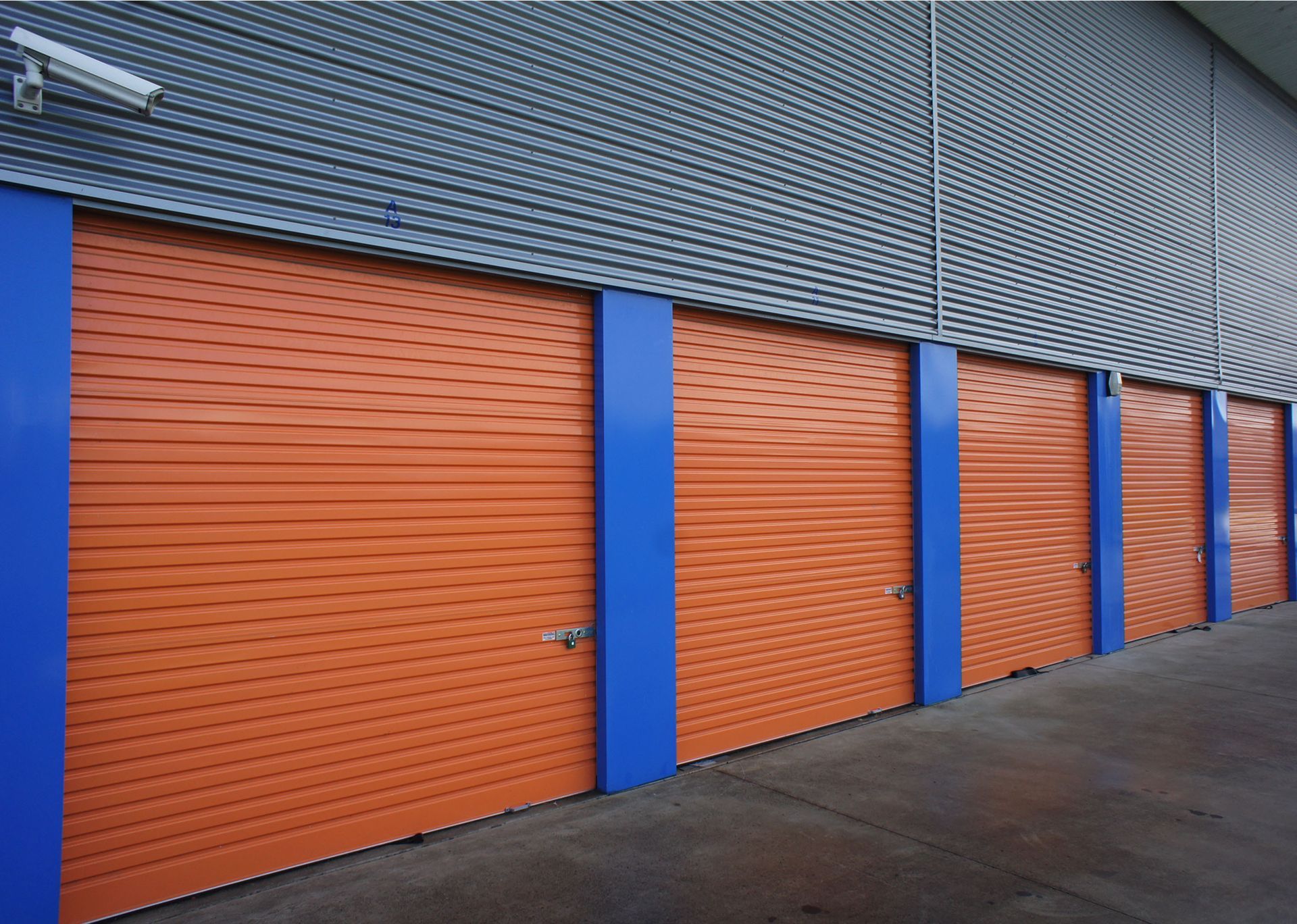
One of the hallmark features of a quality storage facility is the presence of an extensive surveillance system. Surveillance cameras provide a consistent watch over the premises, capturing any unusual activity and providing a deterrent to potential intruders. Modern facilities boast high-definition cameras strategically placed to cover every angle, ensuring no blind spots. The footage from these cameras is typically stored securely, allowing for retrospective review when incidents occur. By prioritizing such security measures, storage facilities enhance the safety of belongings stored within.
Gated Access and Security Codes
Another key security measure in top-tier storage facilities is gated access complemented by security codes. These measures ensure that only authorized personnel and clients can enter the premises, significantly reducing the risk of unauthorized access. Upon rental, clients receive unique access codes, which further individualize and secure the entrance process. This setup not only helps in monitoring who enters and exits the facility but also provides an additional layer of protection. By fortifying these access points, storage facilities protect both their property and the clients' assets.
Alarm Systems
Quality storage facilities are equipped with sophisticated alarm systems that act as a first line of defense against unwanted intrusions. These systems are often connected to motion sensors, door contacts, and glass break detectors, alerting staff to any unauthorized movements or forced entry attempts. When triggered, these alarms notify both on-site security personnel and local law enforcement, ensuring a timely response. The mere presence of visible alarm systems can deter potential criminals. Facilities prioritizing advanced alarm systems demonstrate a commitment to the safety and protection of stored items.
Security Lighting
Even simple security measures, such as adequate security lighting, play a vital role in deterring crime and ensuring safety. Well-lit areas are less attractive to burglars, who prefer the cover of darkness to hide their activities. Storage facilities often utilize motion-activated lights to provide illumination without wasting energy resources. Enhanced visibility also helps in the clear capture of surveillance footage, ensuring any suspicious activity is recorded in detail. By investing in extensive lighting solutions, storage facilities add an essential layer of security to their premises.
2. Climate Control
Temperature Regulation
Temperature regulation is an essential feature offered by many quality storage facilities, safeguarding sensitive items from extreme weather conditions. With consistent temperature control, items such as electronics, antiques, and documents are protected against warping, cracking, or melting. A storage facility will often keep its climate-controlled units between 55 and 85 degrees Fahrenheit, a range that not only maintains optimal storage conditions but also prevents deterioration. The importance of temperature regulation becomes evident when fluctuating climates threaten items stored over extended periods. Therefore, facilities demonstrate a commitment to preserving clients' valuables.
Humidity Control
In addition to temperature, controlling humidity levels within storage units is crucial for the protection of stored items. Excessive humidity can lead to mold growth, rust, and damage to fabrics and wood. Facilities with specialized climate control systems prevent these issues by maintaining humidity at appropriate levels, usually around 50% to 55%. Such regulation ensures that musical instruments, paintings, and photographs remain free from moisture-related damage. Customers seeking long-term storage of delicate items should prioritize facilities with robust humidity control solutions for peace of mind.
Ventilation Systems
Effective ventilation systems are an integral part of maintaining air quality within climate-controlled storage units. Proper airflow prevents musty odors and reduces the risk of condensation, which can be damaging over time. A storage facility with advanced ventilation systems ensures that air circulates continually, minimizing stagnant air pockets that can harbor mold and mildew. Regular inspection and maintenance of these systems is essential to sustain a clean and fresh environment, further preserving stored items. By implementing comprehensive ventilation solutions, storage facilities enhance the protective features of their climate-controlled units.
Consistent Monitoring
Consistent monitoring of climate conditions within storage facilities is fundamental for ensuring proper protection against temperature and humidity fluctuations. State-of-the-art facilities incorporate monitoring technology that alerts personnel to any deviations from set parameters. This proactive approach prevents small problems from escalating into significant issues, preserving the integrity of stored items. Clients can rest assured that their possessions are under constant supervision, protected from unseen environmental threats. Consistent monitoring demonstrates a facility's dedication to maintaining optimal storage conditions and continuous improvement.
3. Cleanliness and Maintenance
Regular Cleaning Schedule
A regular cleaning schedule is a clear indicator of a well-managed storage facility. This routine ensures that the premises remain free from debris, dirt, and pests that could compromise stored items. Clean environments not only reduce health hazards but also create a welcoming atmosphere for clients accessing their units. Facilities with regimented cleaning procedures demonstrate a commitment to professional standards and customer satisfaction. Prospective clients seeking well-maintained storage options should inquire about the facility's cleaning protocols.
No Pests or Mold
Pests and mold are common concerns when storing items over extended periods, but quality facilities employ strategies to prevent these issues. Integrated pest management systems and regular exterminator visits are standard practices to deter insects and rodents. Additionally, frequent inspections and humidity control measures mitigate the risk of mold growth. Facilities that prioritize pest and mold prevention ensure the safety and longevity of stored items, particularly those sensitive to such threats. Choosing a storage facility with proactive measures against these issues safeguards belongings against significant damage and deterioration.
Up-to-Date Maintenance
Another critical aspect of a quality storage facility is up-to-date maintenance of the grounds and infrastructure. This includes regular checks on structural elements, surveillance equipment, climate control systems, and more. By maintaining these aspects, facilities not only prevent potential accidents but also optimize the performance of their services. Well-maintained properties reflect the management's dedication to providing a superior storage environment. Facilities with such a focus on ongoing care give clients confidence in their choice, knowing that their belongings are housed in a reliable setting.
Professionally Trained Staff
The quality of maintenance in a storage facility often hinges on the expertise of its staff. Professionally trained employees are adept at recognizing and addressing issues that could affect the cleanliness and functionality of the facility. Regular training programs ensure staff remain up-to-date with the latest maintenance techniques and safety protocols. Their ability to conduct inspections, perform repairs, and implement preventative measures underscores their role in sustaining high operational standards. Facilities that invest in staff training highlight their commitment to maintaining the best possible storage environment.
Documented Maintenance Checks
Documented maintenance checks provide a transparent overview of the facility's ongoing upkeep. These records, often readily available for client review, detail scheduled inspections, repairs, and updates to the facility. Having a documented history of maintenance activities not only builds client trust but also demonstrates a facility's commitment to accountability. Customers can rely on these records to make informed decisions about the reliability of the storage environment. Facilities that prioritize documentation and transparency cultivate a positive reputation and customer confidence.
Selecting a quality storage facility involves an intricate evaluation of security measures, climate control, cleanliness, unit variety, customer service, and robust insurance options. Each of these factors plays a pivotal role in assuring the safety and protection of stored items, providing clients peace of mind and satisfaction. If you're ready to get started with a quality storage facility, reach out to Mound Road Storage LLC today!